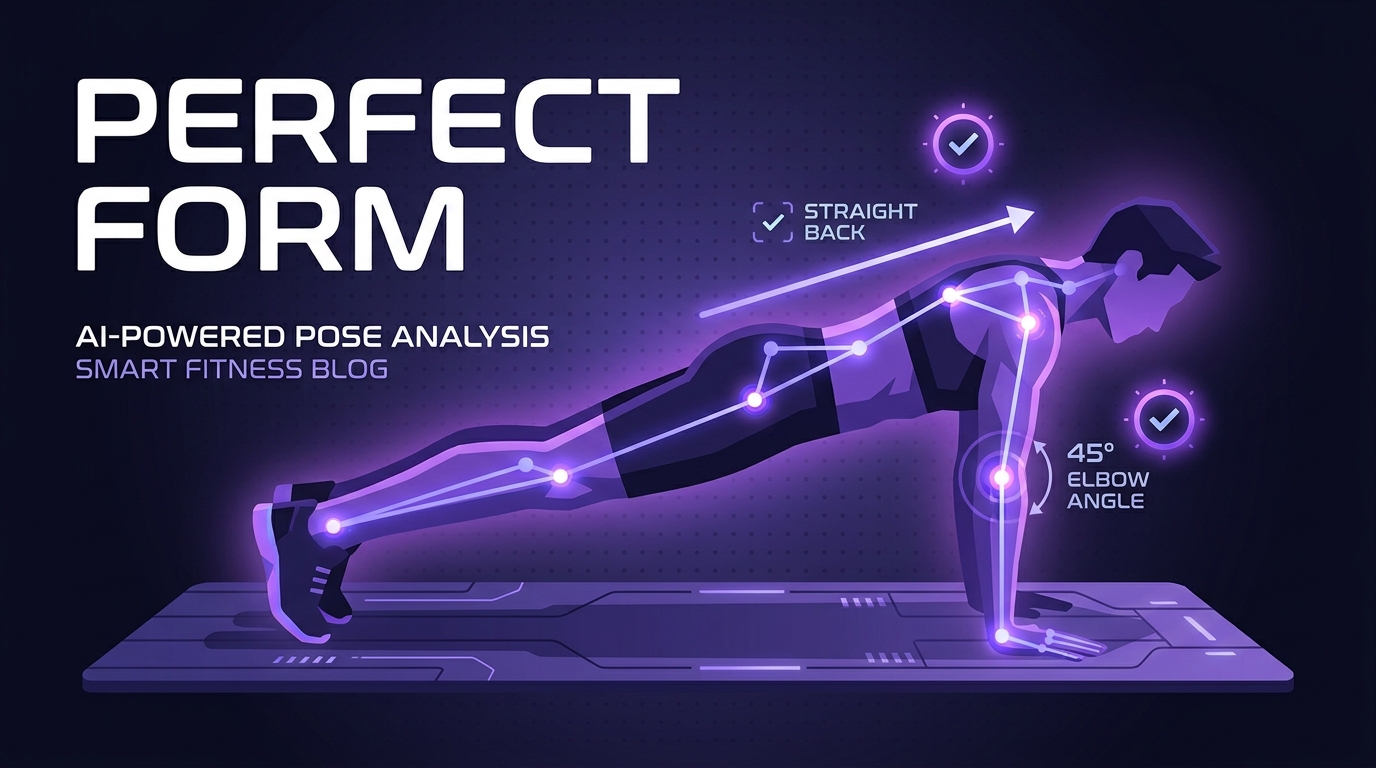
Push-ups and sit-ups look simple, which is exactly why so many people do them badly. A rushed rep trains momentum more than muscle, and a sloppy sit-up can irritate the lower back or neck. The good news: a few setup cues can turn both exercises into efficient, joint-friendly training.
This guide covers the positions that matter, the mistakes worth fixing first, and how to progress without spending an hour on the floor.
Key takeaways
- A push-up is a moving plank. If the hips sag or the head drops, the set is over.
- Keep elbows around 45 degrees from the torso — not flared straight out to the sides.
- Sit-ups train hip flexors as much as abdominals. If they hurt your back, use dead bugs, planks, or reverse crunches instead.
- Two or three quality sets, two or three times a week, beat daily sloppy reps.
- No exercise burns fat only from the belly. Spot reduction is a myth.
Push-up setup: the five-point checklist
- Hands: slightly wider than shoulder-width, fingers spread, index fingers pointing forward or slightly out. Wrists stacked under the forearms.
- Elbows: about 45 degrees from the ribcage at the bottom. If they flare to 90 degrees, the shoulders take unnecessary strain.
- Body line: head, upper back, hips, and heels form one line. Squeeze the glutes and brace the abs as if bracing for a light punch.
- Range: lower until the chest is a fist’s width from the floor, then press back to a straight-arm plank without locking the elbows harshly.
- Breath: inhale on the way down, exhale as you press up. Do not hold your breath for the whole set.
A useful cue: imagine pushing the floor away rather than thinking only about lifting your body. It helps keep the shoulders and core connected.
Common push-up mistakes
1. Sagging hips
This usually means the core is not braced or the set is too hard. Reduce the reps, elevate the hands, or do knee push-ups until the line holds.
2. Head leading the chest
Craning the neck to “reach” the floor shortens the range and strains the neck. Keep the gaze slightly ahead of the hands, not straight down at your toes.
3. Half reps
Stopping halfway cuts the hardest part of the movement. If you cannot control the bottom, use an incline or a regression instead of shortening the range.
4. Flared elbows
Elbows out at 90 degrees increase shoulder stress for many people. Aim for a comfortable 45-degree angle and let the shoulder blades move naturally.
Progressions and regressions
Pick a variation that lets you complete 6–12 controlled reps with 1–2 reps left in reserve.
- Easier: incline push-up on a table or wall, knee push-up, or slow negative (lower for 3–4 seconds, then reset).
- Standard: full push-up on the floor with a straight body line.
- Harder: feet elevated, tempo push-up (3 seconds down, pause, press), or deficit push-up with hands on low blocks.
Quality beats variety. Master one variation before adding another.
Sit-up: what it actually trains
A full sit-up moves the spine and hips through a large range. The abdominal muscles contribute, but the hip flexors do a lot of the work — especially when the feet are anchored. For some people, repeated full sit-ups feel like they pull on the lower back.
That does not make the sit-up evil. It means it is one tool, not a mandatory test of fitness. If you like sit-ups and they feel fine, keep them controlled. If they cause back or neck discomfort, switch to alternatives that train the core without pulling the spine into repeated flexion under load.
Safer core alternatives
- Dead bug: lie on your back, ribs down, extend the opposite arm and leg slowly while keeping the lower back gently pressed toward the floor.
- Plank: a static push-up position with the same body-line checklist. Start with 15–30 seconds and build.
- Reverse crunch: curl the pelvis toward the ribs rather than throwing the legs overhead.
- Hollow hold: a controlled, low-range position that teaches bracing without repeated sit-ups.
How to program both exercises
Two or three sessions per week are plenty for most people. A simple template:
- Push-ups: 2–3 sets of 6–12 reps, stopping 1–2 reps before failure.
- Core choice: 2–3 sets of 20–40 seconds for a plank or 8–12 slow reps for dead bugs.
- Rest 60–90 seconds between sets. Add one rep or a few seconds when all sets feel controlled.
If you are new to strength training, start with two sets and focus on the setup. Soreness is not a scoreboard; technique is.
Wrist, shoulder, and back comfort
Push-ups load the wrists in extension. If your wrists complain, use push-up handles, make fists on a padded surface, or elevate the hands. Persistent wrist pain deserves a proper assessment rather than pushing through it — see our wrist recovery guide for a gradual return framework.
For shoulders, keep the elbows in a comfortable range and stop if you feel sharp pain. For the lower back, avoid anchored sit-ups if they reproduce pain, and choose the alternatives above.
Frequently asked questions
How many push-ups should I do?
There is no universal number. Choose a variation that allows 6–12 controlled reps with good form. More reps with a sagging back are not better.
Can I do push-ups every day?
You can, but most people progress faster with 2–3 focused sessions per week and at least one rest day between hard sessions. Light technique practice is fine.
Do sit-ups burn belly fat?
No. Spot reduction is not supported by evidence. Core exercises strengthen muscles; fat loss comes from overall energy balance, activity, and genetics.
Are crunches better than sit-ups?
They are different. Crunches reduce hip-flexor involvement but still flex the spine. Dead bugs and planks are often more back-friendly for beginners.
A 10-minute starter session
- Warm up with 30 seconds of arm circles and 30 seconds of easy marching.
- Incline or knee push-ups: 2 sets of 8–10 controlled reps.
- Dead bugs: 2 sets of 8 slow reps per side.
- Plank: 2 sets of 20–30 seconds with the same body line.
- Finish with easy walking or zone 2 cardio if you have time.
Once that feels easy, progress the push-up variation or add a rep. If you are building an overall routine, pair this with our step-count guide and the beginner 5K plan.