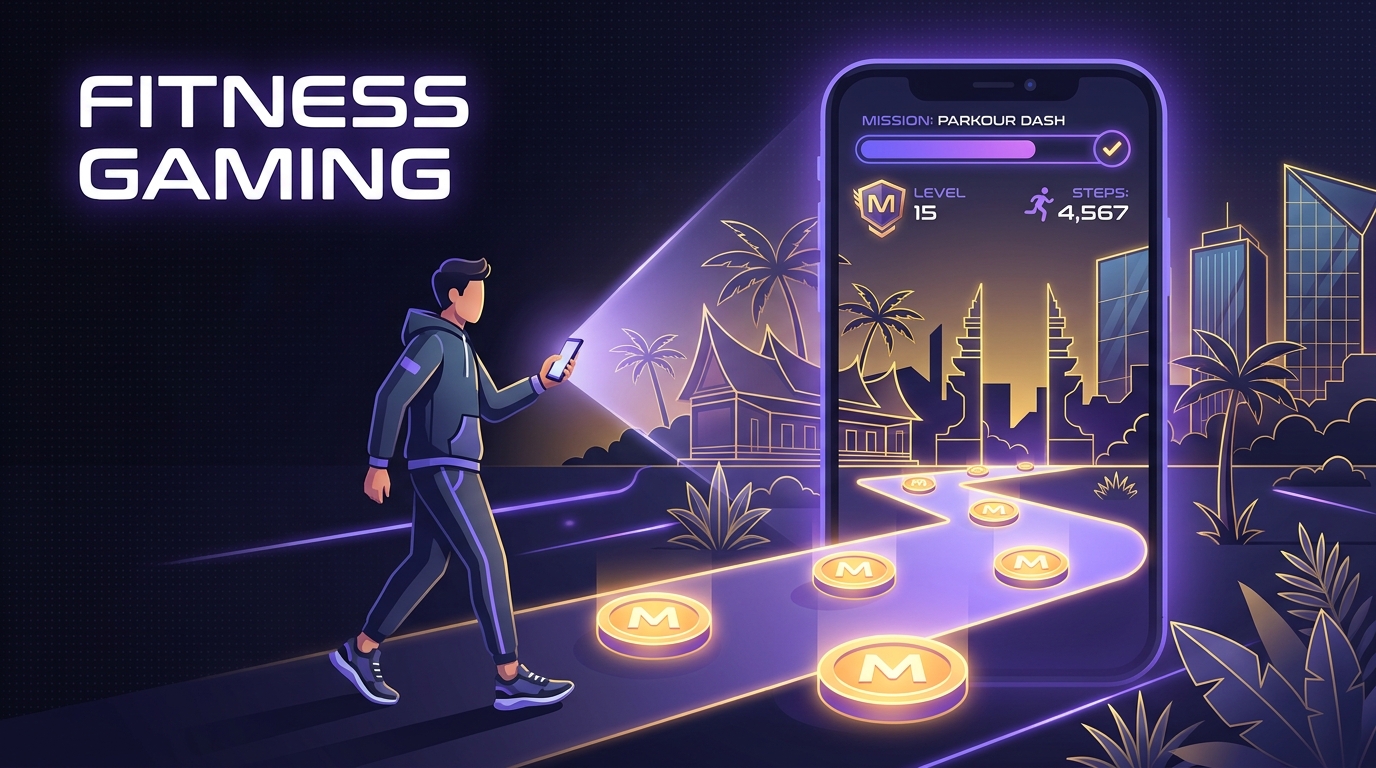
Fitness games are having another moment. Ring Fit, VR boxing, dance games, and mobile workout apps promise to turn exercise into play. The pitch is appealing: if movement feels like a game, maybe you will finally stick with it.
There is real evidence behind that idea — with caveats. Exergaming can increase energy expenditure and make activity more enjoyable, but it is not automatically a complete workout. This guide separates the useful signal from the marketing noise.
Key takeaways
- Exergaming can raise your heart rate and count as light-to-moderate activity, especially in active games.
- It is excellent for breaking up sedentary time and improving adherence for people who dislike traditional workouts.
- It rarely replaces strength training, progressive overload, or outdoor walking and running.
- Calorie estimates on games and watches are rough. Do not treat them as precise.
- Use it as one tool in a weekly routine, not the only tool.
What counts as exergaming?
Exergaming means video games or digital experiences that require physical movement to play. Common examples include rhythm and dance games, VR boxing or saber games, fitness RPGs, rowing or cycling simulators, and mobile apps that count reps through the camera.
Not all exergames are equal. A seated VR game that requires small hand movements is very different from a 20-minute boxing session or a dance game that keeps you on your feet. The intensity depends on the game, the session length, and how much effort you put in.
What the research says
Studies generally find that active exergaming increases energy expenditure compared with seated gaming, and that it can produce light-to-moderate intensity activity in many players. Reviews also suggest that exergames can improve enjoyment and adherence, which matters because the best exercise is the one you actually repeat.
The effects are usually modest. A game may help you accumulate 15–30 minutes of movement, but it is unlikely to replicate a structured interval session or a progressive strength program. Some studies show improvements in balance, coordination, and mood; others show small or inconsistent changes in fitness. The quality of the game and the player’s effort matter more than the label.
In short: exergaming is a legitimate way to move, not a shortcut around the basic principles of training.
Where exergaming works well
- Breaking up sitting: a 10-minute active game after work is better than another hour on the couch.
- Beginners who dislike gyms: the game removes the intimidation factor and gives clear feedback.
- Skill and coordination: VR and rhythm games can train reaction time, balance, and upper-body movement.
- Family and bad weather: it is an indoor option that can involve children or friends.
- Warm-ups: a few minutes of active gaming can raise your heart rate before a walk or run.
Where it falls short
1. Strength and bone loading
Most exergames are cardio-ish. They rarely provide the progressive resistance needed to build and maintain muscle and bone density. You still need two strength sessions per week — bodyweight squats, push-ups, rows, and a hinge movement are enough to start.
2. Accurate calorie estimates
Games and wearables estimate energy expenditure using formulas, not direct measurement. Treat the number as a rough guide. If you eat back every “burned” calorie, you may erase the deficit you were trying to create.
3. The novelty trap
New games are exciting for a few weeks. When the novelty fades, so does the habit. Pair the game with a fixed schedule and a backup activity such as walking.
4. Space and motion sickness
VR sessions need clear space and can cause nausea, especially in games with artificial locomotion. Stop at the first sign of dizziness, take breaks, and keep sessions short until you adapt.
How to use exergaming in a real routine
A simple weekly structure:
- 2–3 active game sessions: 20–30 minutes of dance, boxing, or fitness RPG.
- 2 strength sessions: 20–30 minutes of bodyweight or gym work.
- Daily walking: use a step floor as your baseline, not a game score.
- One easy outdoor session: walk, cycle, or run at a conversational pace.
If you are using a game as your main cardio, check the talk test. If you can chat comfortably, it is probably light activity. If you are breathing harder but can still speak in short sentences, you are closer to moderate intensity.
Safety notes
Clear the floor, wear stable shoes for standing games, and secure controllers. Take breaks every 15–20 minutes. Stop if you feel dizzy, have eye strain, or develop wrist or shoulder pain. If you have a heart condition, balance problems, or you are pregnant, ask a clinician before starting high-intensity VR or boxing games.
Frequently asked questions
Does exergaming count as exercise?
Yes, if it raises your heart rate and involves sustained movement. It counts as activity, but it may not cover strength, mobility, and higher-intensity intervals.
Can fitness games replace the gym?
For general movement and light cardio, sometimes. For muscle, bone density, and structured progress, no — you still need resistance training.
How many calories does an hour of VR boxing burn?
It varies widely with body size, effort, and the game. Do not rely on a single number. Use the session as activity, not as a calorie transaction.
Are fitness games good for kids?
They can be a fun way to add movement, but they do not replace active play, sports, and outdoor time. Keep screen time balanced.
Bottom line
Fitness gaming is a useful door into movement, especially for people who find traditional exercise boring or intimidating. Walk through the door, but do not stop there. Pair the game with walking, two strength sessions, and enough sleep. That combination is what actually changes fitness.
If you want a simple baseline, start with our step-count guide, add bodyweight strength, and use easy cardio to balance the intense game sessions.